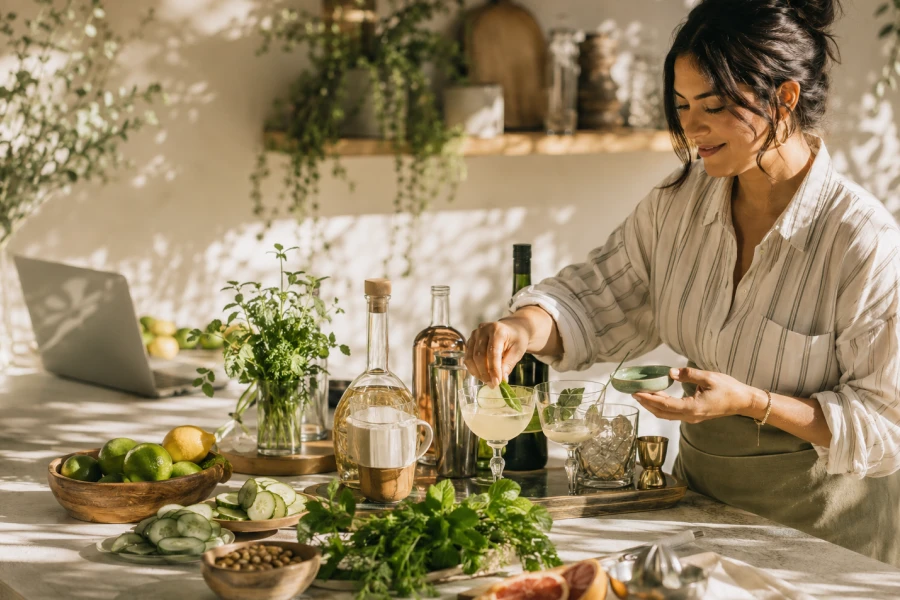
ChatGPT drink menu planning can help hosts move from scattered ideas to a more cohesive beverage experience. A thoughtful menu does not begin with random recipes or a crowded shopping cart. It begins with the people, the setting, and the kind of evening you want to create. A casual brunch calls for different choices than a candlelit dinner or a lively birthday gathering. When you identify that mood first, every later decision becomes easier. You can choose a small number of drinks that feel connected rather than competing. This reduces waste, simplifies prep, and makes the bar area look more intentional. It also gives nonalcoholic options equal importance from the beginning. A structured resource for event beverage strategy can turn broad inspiration into useful choices. The result is a menu that supports the gathering instead of distracting from it.
Guest count influences far more than the number of bottles you need. It changes the kind of drinks that make sense to prepare and serve. A small dinner can support more customized choices and slower presentation. A larger group benefits from batchable options that stay appealing over several hours. Dietary needs also matter before you choose a signature drink. Some guests may avoid alcohol, prefer low-sugar options, or appreciate lighter flavors. Asking these questions early prevents awkward adjustments at the last minute. It also helps you create a menu where everyone has an appealing choice. A considerate beverage selection makes people feel included without drawing attention to their preferences. That attention to detail sets the tone for the entire event.
A drink menu works best when it supports the natural rhythm of the gathering. Consider what people will want when they first arrive, during food, and near the end. A welcoming drink can be bright, simple, and easy to hold during conversation. The meal might call for something lighter that does not compete with food. A final coffee-inspired or dessert-adjacent option can create a relaxed ending. This framework prevents you from offering too many similar drinks. It also gives each choice a clear purpose rather than treating the bar as an afterthought. A menu built around moments feels more generous and easier to navigate. For a useful starting point, explore party drink prompts that organize drinks around the flow of an evening. The best menus feel seamless because each choice arrives at the right time.
Constraints can make creative planning more focused instead of more limiting. Give yourself a budget, a guest count, and a realistic prep window. Choose ingredients that can appear in more than one drink. A citrus syrup, fresh herbs, or sparkling water can serve several purposes without feeling repetitive. Keep the number of spirits manageable so your bar remains clear and welcoming. You also need to think about glassware, ice, garnishes, and serving space. These details are easier to solve when the menu itself stays compact. Clear instructions lead to more practical ideas and fewer unnecessary purchases. A focused host beverage workflow keeps those constraints visible while you plan. That structure makes creativity more useful in real life.
Glassware does not need to be expensive to make a menu feel considered. The goal is to choose vessels that suit the type of drink and gathering. Stemless glasses feel relaxed for casual dinners and afternoon events. Coupes create a celebratory mood for smaller portions and sparkling drinks. Clear tumblers work well for batch cocktails, iced tea, and colorful alcohol-free options. Consistency matters more than collecting a different style for every recipe. Use a tray or a designated area to keep the serving zone visually calm. Simple garnishes look more polished when the glassware stays uncluttered. Consider how easily guests can carry each drink while talking or eating. Good presentation supports comfort rather than creating another thing to manage.
A thoughtful menu treats nonalcoholic options as complete drinks, not simple substitutions. Give them their own flavors, garnishes, and place on the table. Sparkling water with fruit, herbs, and citrus can feel just as celebratory as a cocktail. A rich iced coffee or spice-forward tea can also add personality to the menu. These choices help guests participate without explaining their preferences. They also offer a refreshing change for people who simply want to pace themselves. Build the drink list so that both alcoholic and nonalcoholic choices share ingredients where possible. That keeps shopping more efficient while giving the menu a cohesive look. A set of inclusive drink pairings makes this balance easier to plan. Hospitality becomes more memorable when every guest feels anticipated.
The final hour before guests arrive should be about atmosphere, not frantic searching. Make a short prep list that separates tasks by timing. Chill drinks, cut garnishes, set out glassware, and organize tools in advance. Keep one small tray for napkins, openers, stirrers, and finishing details. Batch what can be batched, but save sparkling elements for serving time. Labeling is unnecessary when each option has a clear visual identity. Put nonalcoholic choices where guests can reach them easily. A calm bar setup encourages people to help themselves without confusion. When the work is organized early, you are free to enjoy the gathering. That is the real value of a menu built with intention.

Leave a comment