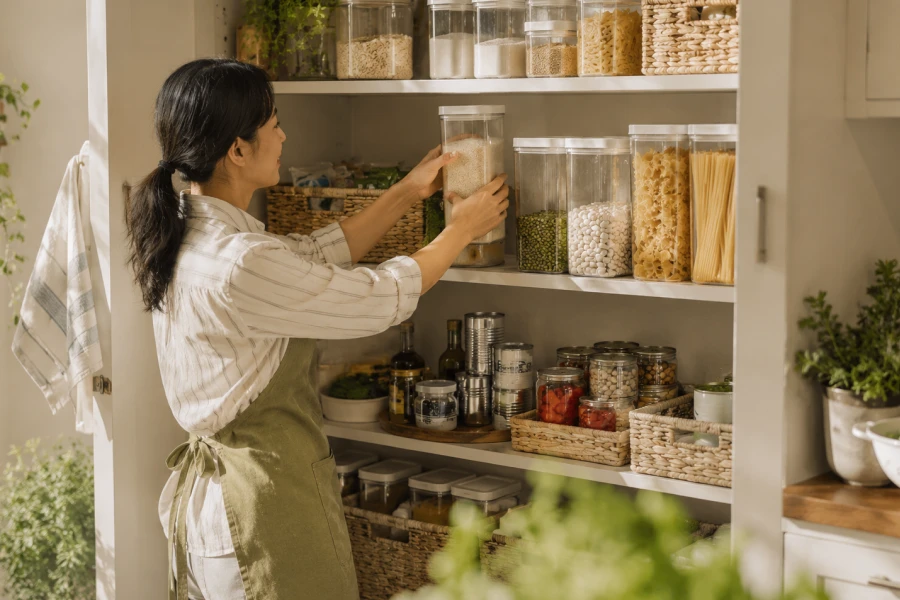
An organized pantry system can make weeknight cooking feel less like a search and more like a simple decision. Most kitchen stress begins before the stove is even turned on. You look for an ingredient, discover a duplicate, or realize something useful is buried behind several other items. A clear pantry removes that friction by making your inventory easier to understand. It gives common ingredients a predictable home and helps you see what is running low. The result is not just a neater shelf. It is a more practical starting point for meals, snacks, and grocery planning. Begin with the foods you actually cook, not the categories that look best online. Then create a layout that supports those habits. A few realistic everyday pantry routines can make dinner feel more manageable from the first step.
Every household uses ingredients differently, so a pantry should reflect real behavior. Look at the meals you make most often during an average week. Keep those items closer to where you naturally reach first. Baking supplies may deserve a dedicated section if you use them regularly. Otherwise, they can stay higher up or farther back. Snacks might need a lower shelf if children or guests reach for them often. Tea, coffee, and breakfast foods may work best near one another for easier mornings. Do not organize based only on packaging size or color. Function should decide placement before appearance enters the conversation. A pantry that matches your real cooking patterns becomes much easier to maintain.
Sorting by use can make a pantry more intuitive than separating every item into narrow categories. Instead of one shelf for all grains, consider a section for quick dinners. Pasta, sauce, canned beans, broth, and spices may belong together if they often appear in the same meals. Breakfast ingredients can live beside items used for lunchboxes or simple snacks. Baking ingredients can stay together because they share a cooking purpose. This method makes it easier to scan for what you need when time is limited. It also reduces the number of places you need to check before cooking. A practical set of meal-ready pantry categories supports this kind of organization. When shelves reflect use, the whole kitchen starts to feel more responsive.
Inventory does not need to mean a spreadsheet or a detailed monthly count. It can be as simple as seeing what you have before you make a shopping list. Clear containers help with staples that are easy to forget, such as oats, rice, flour, and nuts. Baskets can hold packets or smaller ingredients that would otherwise scatter. Keep similar items together so duplicates are easy to spot. Place older products toward the front when you put groceries away. That single habit helps you use food before it becomes forgotten. A visible pantry also makes it easier to recognize which staples your household uses most. A reliable pantry inventory method can reduce both waste and unnecessary purchases. You do not need more food when you can actually see the food you already have.
One of the easiest ways to lose an organized space is to fill every shelf completely. Leave a little room so new groceries can be added without forcing a major rearrangement. This does not mean keeping the pantry half empty. It means avoiding a system that only works when every item is perfectly placed. Use open space strategically near high-turnover categories such as snacks, breakfast foods, and dinner staples. A little flexibility makes the pantry more realistic after a busy shopping day. It also encourages you to use what is already there before overstocking. Group similar extras together rather than hiding them behind daily-use ingredients. An open shelf can be more useful than a tightly packed display. Breathing room makes the entire system more forgiving.
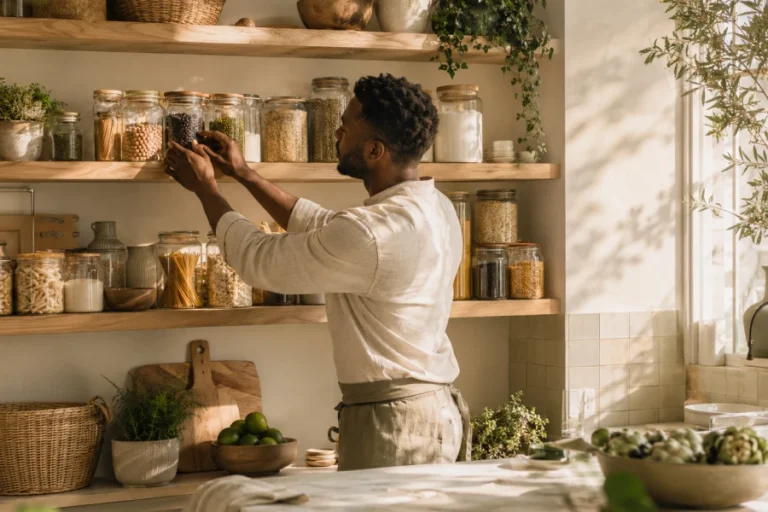
Function comes first, but visual clarity helps a system survive. You should be able to look at a shelf and understand its purpose quickly. Clear labels can be useful when containers look alike or several people share the kitchen. Keep colors and materials relatively consistent so the shelves do not feel chaotic. That does not require buying everything at once. Use matching baskets where they create order and leave packaged goods visible where that is more practical. A calm visual rhythm makes it easier to return items to their correct place. It also makes the pantry feel more pleasant to use every day. A few simple shelf styling choices can make functionality easier to see. Visual order supports practical habits when the system gets busy.
Your pantry should change as your household routines change. Summer meals may need different ingredients than winter dinners. School schedules, work patterns, and new recipes can all shift what deserves priority. Review the system occasionally instead of assuming the first arrangement must last forever. A quick seasonal reset can remove outdated food and return misplaced items to useful zones. It also gives you a chance to notice what is no longer serving your habits. Flexibility keeps organization from becoming another rigid rule. The best systems adjust quietly as your life changes. A pantry should support how you live now, not how you once imagined living. That is what makes it truly sustainable.



Leave a comment